Women’s Development Bank Must Reach Rural Entrepreneurs to Deliver Economic Impact — SWIDA-Ghana
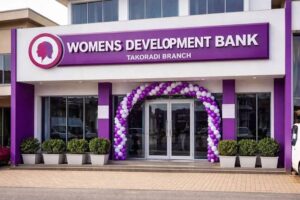
The successful capitalisation of the Women’s Development Bank and plans to commence operations in early 2027 have been welcomed as a potential boost to women’s economic empowerment, business growth and poverty reduction.
The Savannah Women Integrated Development Agency (SWIDA-Ghana) says the initiative could also help address some of the underlying economic vulnerabilities that expose women to domestic violence and other social challenges.
Hajia Alima Sagito-Saeed, Executive Director of SWIDA-Ghana, said access to affordable and appropriate financial services would strengthen women’s economic independence, improve household livelihoods and create opportunities for business expansion.
She said many women, particularly those operating small-scale enterprises and informal businesses, continued to face financing constraints that prevented them from growing their businesses and achieving economic stability.

According to her, the financial limitations often deepen women’s vulnerability to poverty and social pressures, making access to sustainable economic opportunities particularly important.
The comments follow Finance Minister Dr Cassiel Ato Forson’s announcement during the presentation of the 2027 Budget Statement and Economic Policy to Parliament, that the government had completed the capitalisation of the Women’s Development Bank.
“I am happy to report that we have successfully capitalised the Women’s Development Bank, and the bank will be operational beginning early next year,” Dr Forson said.
The announcement shifts the bank’s expected commencement from the earlier government target of the end of 2026 to early 2027.
Hajia Sagito-Saeed said the bank could provide women entrepreneurs with the capital needed to expand their businesses, acquire equipment, increase production and create employment.
She noted that economically independent women were better positioned to support their families, make financial decisions and contribute to local economic development.
However, she cautioned that the bank’s impact would depend largely on how effectively its financing products were designed and distributed, particularly to women who remained excluded from conventional financial services.
She called for an inclusive operational framework that prioritised rural entrepreneurs, women in the informal sector and other underserved groups who faced greater difficulties accessing affordable credit.
She stressed that the bank should not become another financial institution whose benefits were concentrated among women who already had access to formal banking services.
The Women’s Development Bank is a flagship government initiative intended to address financing barriers confronting women-owned businesses through affordable credit and other business support services.