Deepening Compliance, Driving Reforms: The Customs Broker as the Gateway to Trade Facilitation
By Our Editorial Team/CUBAG
The growing complexity of international trade, coupled with increasing demands for transparency, accountability and efficiency in customs administration, has placed customs brokers at the centre of efforts to facilitate legitimate trade and strengthen regulatory compliance.
As Ghana continues to pursue an export-led economic growth strategy, deepen regional integration under the African Continental Free Trade Area (AfCFTA) and position itself as a strategic commercial gateway to West Africa, the importance of professional customs brokerage services cannot be overstated.
Beyond the traditional responsibility of preparing customs declarations and processing import and export documentation, customs brokers have become indispensable partners in the international trade supply chain.
They serve as critical intermediaries between traders, customs authorities, port operators, shipping lines, regulatory agencies and other stakeholders whose activities determine the speed, cost and efficiency of cross-border commerce.
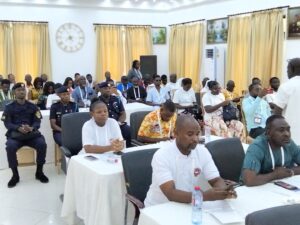
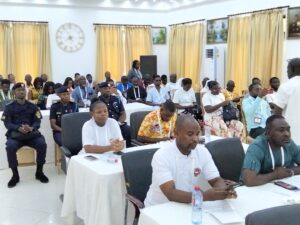
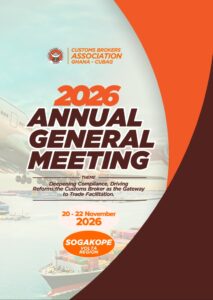
The theme, “Deepening Compliance, Driving Reforms: The Customs Broker as the Gateway to Trade Facilitation,” which swirled around the 2026 Annual General Meeting (AGM) of the Customs Brokers Association of Ghana (CUBAG), opened on Friday, November 20, at the Holy Trinity Hotel & SPA, Sogakope in the Volta region of Ghana, therefore captures an important dimension of Ghana’s trade development agenda: the need to place professionalism, regulatory compliance and institutional collaboration at the heart of customs operations.
It also raises a fundamental question about the future of customs brokerage: How can customs brokers move beyond transactional service delivery to become strategic partners in national trade facilitation and economic transformation?
Customs Brokers: More Than Documentation Agents
In the international trade environment, customs brokers occupy a unique position. They possess specialised knowledge of customs laws, tariff classifications, valuation principles, rules of origin, import and export procedures, and the regulatory requirements governing the movement of goods across borders.
Their responsibilities extend beyond completing declarations and submitting supporting documents. They help importers and exporters understand their regulatory obligations, identify potential compliance risks, determine applicable duties and taxes, and ensure that consignments meet the requirements of the relevant authorities.
A competent customs broker can prevent costly errors before they occur. Incorrect tariff classification, inaccurate valuation, incomplete documentation and improper application of preferential trade arrangements can result in delays, penalties, additional costs and, in serious cases, seizure of goods.
By providing accurate information and professional guidance, customs brokers help businesses avoid unnecessary complications while enabling customs authorities to concentrate their resources on higher-risk transactions.
This makes the customs broker an important link in the balance between regulatory enforcement and trade facilitation.

Indeed, the effectiveness of customs administration cannot be measured solely by the ability of authorities to detect violations and collect revenue. It must also be assessed by how efficiently compliant businesses can move their goods through the supply chain.
Compliance as the Foundation of Sustainable Trade
Compliance remains one of the most important pillars of an effective customs regime. For Ghana, where international trade contributes significantly to economic activity, government revenue, industrial development and employment creation, maintaining a credible and transparent customs environment is essential.
Customs compliance involves adherence to the laws, regulations, procedures and administrative requirements governing the importation, exportation and transit of goods. It encompasses accurate declarations, proper tariff classification, truthful valuation, correct determination of origin, timely payment of duties and taxes, and compliance with applicable permits, licences and standards.
However, compliance should not be viewed merely as an obligation imposed on traders. It is a shared responsibility that requires cooperation among customs authorities, customs brokers, importers, exporters and other regulatory institutions. Customs brokers are particularly well positioned to promote this culture because they interact directly with traders and have a practical understanding of the challenges businesses encounter in complying with customs requirements.
Through continuous education, professional guidance and ethical service delivery, they can help businesses appreciate that compliance is not an unnecessary administrative burden but an investment in operational efficiency and long-term commercial sustainability.
A business that consistently complies with customs requirements is better positioned to enjoy predictable clearance processes, reduce exposure to penalties, maintain reliable supply chains and build confidence among international trading partners.
Driving Reforms Through Professional Brokerage
Customs reforms are essential to creating a modern, competitive and investment-friendly trading environment.
Over the years, customs administrations across the world have increasingly embraced digitalisation, risk-based inspection, automated processing, electronic documentation and coordinated border management as instruments for improving efficiency and transparency.
Ghana’s customs administration has also pursued reforms aimed at modernising clearance procedures, strengthening revenue mobilisation and improving border controls. However, the success of these reforms depends not only on the policies introduced by government or the technology deployed by customs authorities but also on the capacity of the professionals who operate within the system.
Customs brokers must therefore be active participants in the reform process.
Their practical experience provides valuable insight into procedural bottlenecks, inconsistencies in administrative requirements, documentation challenges and other operational difficulties that affect the movement of goods. A structured engagement between customs brokers and relevant government institutions can help identify these challenges and develop practical solutions.

Such collaboration should focus on simplifying procedures, reducing unnecessary delays, improving information-sharing systems and ensuring that regulatory requirements are communicated clearly and consistently.
Customs brokers should also be involved in consultations on proposed policy changes, particularly those affecting tariff administration, valuation, origin verification, transit procedures and electronic customs platforms. Reforms are more likely to achieve their intended objectives when the professionals responsible for implementing them are adequately consulted.
Digitalisation and the Future of Customs Brokerage
The digital transformation of international trade is rapidly changing the role of customs brokers.
The increasing use of electronic customs declarations, digital payment systems, automated risk assessment, electronic certificates and integrated trade platforms has reduced dependence on manual procedures and created opportunities for faster and more transparent transactions.
For Ghana, continued investment in digital customs infrastructure is essential to improving the competitiveness of its ports and land borders. The introduction and expansion of digital systems, including the Integrated Customs Management System, commonly known as ICUMS, have changed the operational environment for customs brokers and other trade stakeholders. Nevertheless, digitalisation must be accompanied by adequate training, system reliability, effective technical support and accessible information.
A digital platform cannot deliver its full potential if users lack the knowledge to operate it effectively or if technical challenges repeatedly interrupt transactions. Customs brokers must consequently invest in digital competencies, data management, electronic documentation and emerging technologies that can improve the accuracy and efficiency of their operations.
They must also embrace the use of technology to strengthen internal compliance systems, maintain proper transaction records and monitor regulatory changes. The future customs broker will increasingly be defined not simply by the ability to process documents but by the capacity to interpret complex trade information, anticipate compliance risks and provide technology-driven solutions.
The AfCFTA: An Expanding Role for Customs Brokers
The African Continental Free Trade Area presents significant opportunities for Ghanaian businesses and the wider African trading community. By creating a framework for reducing trade barriers and expanding intra-African commerce, AfCFTA offers opportunities for manufacturers, agricultural producers, exporters, logistics operators and small and medium-sized enterprises to access larger markets.
However, the effective implementation of the agreement requires a clear understanding of its rules and procedures. Customs brokers have a critical responsibility to support businesses in navigating preferential tariff arrangements, rules of origin, customs documentation and other requirements under the agreement.
Rules of origin are particularly important because they determine whether goods qualify for preferential treatment under AfCFTA. A misunderstanding or incorrect application of these provisions could result in businesses losing access to tariff preferences or facing additional assessments and delays.
Customs brokers must therefore develop specialised knowledge of AfCFTA protocols and ensure that traders understand the requirements for claiming preferential treatment.
They should also help Ghanaian businesses identify opportunities within regional markets and appreciate the importance of accurate documentation and compliance in accessing those opportunities.
As Ghana seeks to strengthen its position as a regional trade and logistics hub, customs brokers can contribute significantly to making cross-border trade more predictable, accessible and commercially attractive.
Addressing the Challenges at Ghana’s Land Borders
While Ghana’s seaports remain important gateways for international commerce, the country’s land borders also play a critical role in regional trade.
The Aflao border, which connects Ghana to Togo, is particularly significant because of its strategic position along the eastern corridor and its importance to commercial activities between Ghana and neighbouring countries.
Thousands of traders, transport operators and other economic actors depend on efficient border operations for the movement of goods and services.
However, border trade can be affected by several operational challenges, including multiple checks, inadequate infrastructure, inconsistent interpretation of regulations, documentation difficulties, delays in processing consignments and limited coordination among agencies.

These challenges can increase transaction costs, discourage formal trade and create opportunities for non-compliance. Customs brokers have an important role in helping traders navigate these complexities. They can promote proper documentation, explain applicable procedures, facilitate communication with relevant authorities and discourage attempts to bypass established regulations.
At the same time, government must ensure that border operations are coordinated, transparent and predictable. The principles of coordinated border management should be strengthened to minimise unnecessary duplication of checks and improve collaboration among Customs, Immigration, Police, Standards Authority and other relevant agencies.
The objective should be to maintain effective border security without unnecessarily obstructing legitimate commercial activities.
A border that facilitates legitimate trade while effectively addressing smuggling, revenue evasion and other illegal activities is an important asset to national economic development.
Professional Ethics and the Fight Against Customs Fraud
The credibility of customs brokerage as a profession depends heavily on ethical conduct. Unfortunately, customs fraud, false declarations, under-invoicing, misclassification of goods, document manipulation and attempts to evade statutory duties remain concerns that can undermine the integrity of international trade. Customs brokers must resist any pressure to participate in practices that compromise the law or undermine public revenue.
Professional integrity requires honesty in declarations, transparency in dealings with clients, respect for regulatory procedures and accountability for professional decisions.
A customs broker who knowingly facilitates false declarations does not only expose clients and businesses to legal consequences but also damages the reputation of the profession and weakens confidence in the country’s customs administration.
Professional associations must therefore strengthen ethical standards and disciplinary mechanisms to ensure that members uphold the highest standards of conduct.
Continuous professional development should also be prioritised to ensure that practitioners remain informed about changes in customs legislation, international trade agreements, valuation methods and emerging compliance requirements. The profession must demonstrate that it is capable of self-regulation while maintaining a strong commitment to national economic interests.
Strengthening Collaboration Between Customs and the Brokerage Community
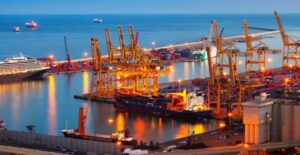
One of the most effective ways to improve trade facilitation is to build a stronger working relationship between customs authorities and licensed customs brokers. Rather than viewing each other primarily through the lens of enforcement and commercial interests, both parties should recognise their shared responsibility for maintaining an efficient, transparent and secure trading environment.
Regular stakeholder consultations, joint training programmes, operational review meetings and structured feedback mechanisms can help address recurring challenges. Customs authorities should provide timely information on policy changes, administrative procedures and compliance requirements.
Similarly, customs brokers should provide constructive feedback on operational difficulties and actively support measures designed to improve compliance and efficiency. The establishment or strengthening of trade facilitation committees involving customs authorities, freight forwarders, customs brokers, port operators, shipping companies and relevant regulatory agencies would provide a useful platform for addressing industry concerns.
Such engagement would help reduce misunderstandings, improve policy implementation and create a more predictable trading environment.
Building Capacity for a Competitive Trade Industry
The increasing complexity of international trade demands a highly skilled and knowledgeable customs brokerage workforce. Traditional experience, although valuable, must be complemented by continuous education and professional development.
Customs brokers must understand not only national customs legislation but also international conventions, trade agreements, tariff systems, valuation principles and emerging developments in global supply chains.
Specialised training in areas such as customs valuation, rules of origin, post-clearance audit, risk management, transit procedures and digital customs operations should become an integral part of professional development.
There is also a need to attract young professionals into the industry through structured mentorship, internships and practical training opportunities.
Professional associations and educational institutions can collaborate to develop training programmes that respond to the changing demands of the trade and logistics sector.
Strengthening professional capacity will improve service delivery, enhance compliance and position Ghanaian customs brokerage firms to compete effectively within the wider African and international trade environment.
The Economic Case for Efficient Customs Brokerage
The importance of customs brokers extends beyond individual businesses and the immediate clearance of goods.
Efficient brokerage services contribute to broader economic objectives by reducing the time and costs associated with international trade.
When goods are cleared promptly, businesses can manage inventories more effectively, meet contractual obligations, reduce storage and demurrage charges and maintain reliable production schedules.
For exporters, efficient customs processes can improve competitiveness by ensuring that products reach international markets within expected delivery timelines. For import-dependent industries, predictable clearance procedures can reduce supply-chain disruptions and support production continuity.
At the national level, improved compliance can strengthen revenue mobilisation, reduce illicit trade and enhance confidence in Ghana’s business environment. These benefits are particularly important for small and medium-sized enterprises, which often lack the financial and technical resources to navigate complicated customs procedures independently. Competent customs brokers can help bridge this gap by providing professional guidance and making regulatory requirements easier to understand and fulfil.
The Way Forward: From Compliance to Strategic Trade Facilitation
For customs brokerage to fulfil its potential as a gateway to trade facilitation, a deliberate and coordinated approach is required. First, customs brokers must place professional integrity and compliance at the centre of their operations. The industry must reject practices that undermine the credibility of customs administration.
Second, government and customs authorities must continue simplifying procedures, strengthening digital infrastructure and improving coordination among border agencies.
Third, professional associations must invest in capacity building, ethical standards, research and effective representation of industry concerns.
Fourth, stronger engagement between customs brokers and the business community is necessary to ensure that traders receive accurate and timely information on regulatory requirements.
Fifth, Ghana must continue aligning its customs procedures with international best practices, including the principles of the World Trade Organization’s Trade Facilitation Agreement and the World Customs Organization’s Revised Kyoto Convention.
Finally, the implementation of AfCFTA must be supported by practical training and accessible information to enable customs brokers to help businesses take advantage of the opportunities presented by continental trade integration.
The Gateway to a More Competitive Ghana
The future of Ghana’s international trade will depend not only on the quality of its infrastructure, the strength of its ports or the effectiveness of its trade policies but also on the professionalism and efficiency of the people who facilitate the movement of goods across its borders.
Customs brokers occupy a strategic position in this process.
They are not merely intermediaries who process declarations and secure the release of consignments. They are compliance partners, trade facilitators, risk-management professionals and important contributors to national economic development.
Their ability to promote regulatory compliance while helping businesses navigate complex customs procedures makes them indispensable to the country’s ambition of becoming a competitive regional trade and logistics hub. However, this responsibility comes with an obligation to uphold professional ethics, embrace innovation, invest in knowledge and actively support institutional reforms.
For government, the challenge is to create an enabling regulatory environment that rewards compliance, encourages transparency and eliminates unnecessary bureaucratic obstacles.
For customs authorities, the task is to strengthen collaboration, improve service delivery and apply regulations consistently.
For customs brokers, the responsibility is to demonstrate that professionalism and compliance are not obstacles to trade but the very foundations upon which sustainable trade facilitation must be built.
Ultimately, deepening compliance and driving reforms must go hand in hand. A customs system that facilitates trade without compromising regulatory integrity is not only beneficial to traders and businesses; it is essential to Ghana’s economic competitiveness, regional integration and long-term prosperity.
The customs broker, therefore, must be recognised not simply as a gateway through which goods pass, but as a professional gateway to a more transparent, efficient and prosperous trading economy.
This Feature was made possible by our editorial team with additional support from CUBAG