600 Herbal Medical Professionals, 55 Hospitals: Ghana’s Traditional Medicine Breakthrough
Ghana’s Ministry of Health has called for stronger scientific research, regulation and investment in traditional medicine, highlighting its potential to expand access to safe, affordable and culturally relevant healthcare in Ghana.
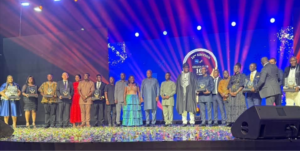
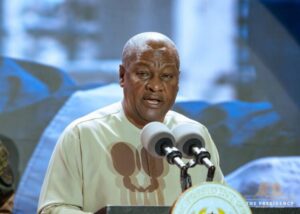
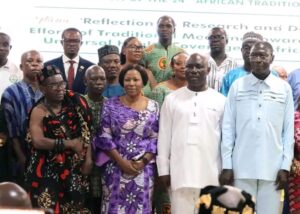
Deputy Minister for Health, Dr Grace Ayensu-Danquah, made the appeal during the commemoration of the 24th African Traditional Medicine Day and the 27th Ghana Traditional Medicine Week 2026. The event brought together health sector stakeholders to examine the contribution of indigenous medicine to achieving Universal Health Coverage (UHC), particularly in underserved communities.
Held under the theme, “Reflection on Research and Development Efforts of Traditional Medicine Towards Achieving Universal Health Coverage in the African Region,” the celebration provided an opportunity to assess progress and explore ways of connecting indigenous knowledge with modern scientific practices.
Dr Ayensu-Danquah maintained that traditional medicine remains an important source of healthcare for millions, especially people in rural communities where conventional medical services may be difficult to access.
“Scientific research should not be seen as a rejection of our indigenous knowledge but as a means of validating and improving it for the benefit of our people.”
Traditional Medicine Remains Vital for Underserved Rural Communities
The Deputy Minister’s remarks reflect growing efforts to recognise traditional medicine as an important component of healthcare delivery while ensuring that treatments meet appropriate safety and quality standards.
The World Health Organization (WHO) recognises the contribution of traditional, complementary and integrative medicine to people-centred healthcare. Its Global Traditional Medicine Strategy 2025–2034 encourages countries to strengthen scientific evidence, improve regulation and integrate safe and effective traditional practices into national health systems.
However, research remains a significant challenge. A WHO report published in September 2026 revealed that traditional and complementary medicine receives less than one per cent of global health research funding, despite its widespread use.
The organisation has consequently called for greater investment in research to guide policy, regulation and clinical practice. For Ghana, strengthening the sector presents an opportunity to preserve indigenous knowledge while developing locally relevant healthcare solutions.

Ghana Expands Training and Hospital-Based Herbal Medicine Services
Highlighting Ghana’s achievements, Dr Ayensu-Danquah cited the training of approximately 600 medical herbalists through the herbal medicine programme at the Kwame Nkrumah University of Science and Technology (KNUST).
She also identified the integration of herbal medicine units into 55 public hospitals as a significant milestone in bringing traditional healthcare into mainstream service delivery. The initiative began in 2011 with 19 herbal medicine units in public health facilities before expanding to 55 hospitals nationwide.
Medical herbalists trained at KNUST are licensed by the Traditional Medicine Practice Council, which oversees professional practice and standards. The Deputy Minister outlined further priorities, including documenting and protecting indigenous medicinal knowledge.
This is to expand herbal medicine services to Community-based Health Planning and Services (CHPS) compounds and sub-district facilities, safeguarding intellectual property rights and supporting local production of standardised herbal medicines.These interventions are expected to strengthen the sector’s contribution to healthcare while creating opportunities for local research, innovation and production.
Regulation and Clinical Evidence Remain Central to Patient Safety
Despite the progress, concerns about unlicensed practitioners and unregistered herbal products continue to highlight the importance of effective regulation.In September 2026, the Traditional Medicine Practice Council disclosed that more than 100,000 practitioners had been identified nationwide, although fewer than 20 per cent were captured in its database.
The Council subsequently intensified registration and monitoring exercises, including inspections of more than 500 traditional medicine premises. At the celebration, Professor Isaac Kingsley Amponsah, Head of the Department of Pharmacognosy at KNUST, cautioned against integrating herbal products into formal healthcare without adequate scientific assessment.
“Integration without research is a gamble with human lives. We must establish the safety and efficacy of these products before making them part of our healthcare system,” he warned.
He called for dedicated research funding to investigate conditions such as malaria, hypertension, diabetes and sickle cell disease. He also urged the media to verify practitioners’ licences and product registrations before advertising herbal treatments.
Stakeholders Urged to Turn Indigenous Knowledge into Healthcare Solutions
The President of the Ghana Federation of Traditional Medicine, Samuel Ato Duncan, called for stronger collaboration among government, researchers, regulatory institutions and practitioners to advance the sector.
“Institutions must be strengthened to outlast individuals, while research and regulation must work together to translate scientific findings into practical healthcare solutions,” he stressed.
Duncan further proposed expanding herbal medicine units to at least 100 locations, exploring National Health Insurance Scheme coverage for recommended herbal services supported by evidence of cost and effectiveness, and increasing investment in clinical research and local production.
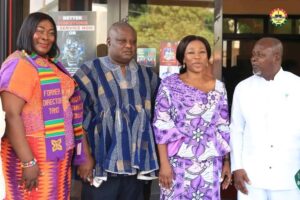
The celebration also recognised former Director of the Traditional and Alternative Medicine Directorate, Dr Anastasia Yirenkyi, for her contribution to the development of traditional medicine in Ghana.
As Ghana pursues Universal Health Coverage, the message from the gathering was clear: traditional medicine has the potential to make healthcare more inclusive, but its expansion must be supported by credible research, effective regulation and professional accountability. The ultimate task is to transform indigenous knowledge into safe, accessible and dependable healthcare for all.