


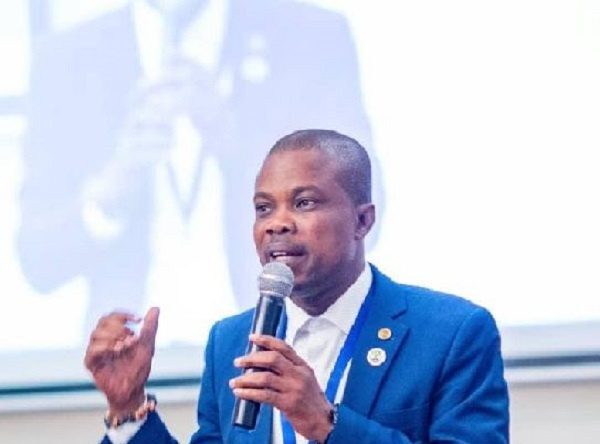
A Security Consultant and former Intelligence Officer with the Bureau of National Intelligence (BNI), Richard Kumadoe, has urged Ghanaians to look beyond partisan politics and support sustained investment in the country’s national security institutions, arguing that years of equipment neglect have weakened their operational capabilities.
Speaking in an interview, Kumadoe argued that national security investment should be assessed through its practical contribution to public safety, institutional readiness and the country’s capacity to respond to emergencies rather than through partisan political considerations.
“Your equipment has been obsolete and some of them have been downgraded. They cannot be used. So anything you would do as a national leader to upgrade it, that is the best way to go and you are going to get the results.”
He maintained that retooling the security agencies is no longer optional, as the obsolete equipment and degraded infrastructure have undermined the country’s ability to meet its safety, intelligence-gathering and emergency response objectives.
Years of Neglect Necessitate Security Retooling
Kumadoe maintained that the government’s efforts to modernise Ghana’s security institutions address longstanding deficiencies that have accumulated over several years.
According to him, successive years of inadequate investment have left several agencies operating with degraded infrastructure and equipment that no longer meet the standards required to achieve their specialised mandates.
He argued that the country must therefore treat the retooling of its security institutions as a national priority, particularly as emerging security threats require more advanced technological and operational capabilities.
“When you come to the retooling, you have no choice because we’ve left the space for a very long time and many things have been degraded and downgraded.”
Kumadoe stressed that the consequences of inadequate investment extend beyond the security agencies themselves, affecting Ghana’s broader capacity to protect lives, manage disasters and safeguard critical national interests.
He urged citizens to recognise that strengthening security institutions requires consistent investment regardless of which political administration occupies government.
Kumadoe Highlights BNI Cybersecurity and Police Forensic Laboratories
The security consultant identified improvements in intelligence and forensic capabilities as important examples of how investment in specialised infrastructure can strengthen national security.
He recalled advocating publicly for the establishment of a cybersecurity assessment laboratory at the BNI to improve the agency’s capacity to assess and respond to emerging digital threats. Kumadoe expressed satisfaction that the government had delivered the facility, describing it as an important achievement following sustained public advocacy
He also recalled campaigning for a forensic examination laboratory at Police Headquarters to reduce the difficulties of transporting human remains and samples abroad for specialised investigations.
According to him, the establishment of domestic forensic capabilities would strengthen crime scene investigations and improve the work of police personnel responsible for gathering and examining evidence. He further highlighted the government’s launch of DNA testing capabilities as progress towards addressing longstanding forensic limitations.
Kumadoe also referenced the establishment of a vaccine centre following the challenges Ghana experienced during the COVID-19 pandemic, arguing that investments in specialised national infrastructure demonstrate the benefits of addressing institutional weaknesses before future emergencies arise.
He maintained that such developments should encourage citizens to assess government investments through their practical benefits rather than political affiliations.
Fire Service Needs Urgent Equipment Support
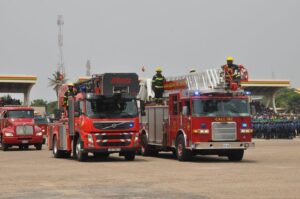
Beyond intelligence and forensic infrastructure, Kumadoe identified the Ghana National Fire Service as an institution requiring urgent logistical support.
He appealed to the government to fulfil its commitment to provide 100 fire hydrants to the service, arguing that improved access to firefighting infrastructure would strengthen emergency response capabilities across the country.
He particularly urged the administration to deliver at least 50 of the promised hydrants before the end of 2026, warning that the Christmas period typically brings heightened concerns about fire outbreaks
Kumadoe also called for an expansion of the government’s proposed fire service support, suggesting that the target should eventually increase to 200 hydrants to ensure broader geographical coverage. He explained that distributing only 100 hydrants across Ghana’s 16 administrative regions could leave significant gaps in emergency response infrastructure.
The former intelligence officer also emphasised the need to provide the Fire Service with additional operational vehicles, recalling that major logistical support for the institution had previously been delivered under the administrations of former Presidents John Evans Atta Mills and John Dramani Mahama.
“What we are admonishing or we are pleading and begging and advocating for and asking for the administration to do is to deliver the hundred fire hydrants that the president promised the fire service, he needed to provide it at least 50 before the year end.”
He maintained that equipping the Fire Service with adequate vehicles and hydrants would provide more immediate public safety benefits, particularly during periods when fire outbreaks place pressure on emergency responders.
Military Equipment Strengthens National Development Capacity
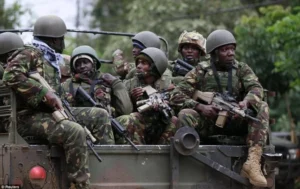
Kumadoe also highlighted the contribution of the Ghana Armed Forces to national development, arguing that adequate equipment and institutional support allow the military to undertake assignments beyond conventional security operations.
He cited the military’s involvement in clearing routes for the proposed Accra-Kumasi Expressway as an example of how the country could benefit from strengthening the operational capabilities of its armed forces. According to him, the military performed effectively during the exercise, helping the government achieve savings through its contribution to the project.
He also referenced reports that the military would be deployed to support the clearing of rights-of-way for the Western Railway Corridor, describing such assignments as evidence of the broader value of maintaining a well-equipped military.
Kumadoe maintained that the military’s ability to contribute effectively to national development depends on access to appropriate equipment, adequate motivation and institutional commitment.
His comments come amid the government’s broader efforts to modernise the Ghana Armed Forces and strengthen military infrastructure, including the ongoing aviation fleet modernisation programme.
Kumadoe Calls for National Unity Beyond Partisan Politics
Kumadoe urged Ghanaians to approach national security as a shared responsibility, warning against allowing political disagreements to undermine support for investments that improve the country’s institutional capabilities.
He argued that national development requires citizens and political actors to recognise their shared responsibility for protecting Ghana and strengthening its public institution
According to him, the availability of modern equipment, combined with adequate motivation and commitment, would enable security agencies to deliver better results for the country.
He further called for a collective national outlook that places Ghana’s long-term interests above partisan considerations.
“But we can only do when we have the right equipment, the right motivation, the right commitment, and living together as one people under one umbrella, knowing that this is the only country we have and I think that is the best way to go.”
He maintained that sustained investment in security institutions, emergency response infrastructure and specialised capabilities would strengthen Ghana’s resilience against future challenges while improving the protection of lives and property.
For Kumadoe, the central priority should be ensuring that Ghana’s security agencies have the equipment, resources and institutional support necessary to fulfil their responsibilities, regardless of political transitions.

